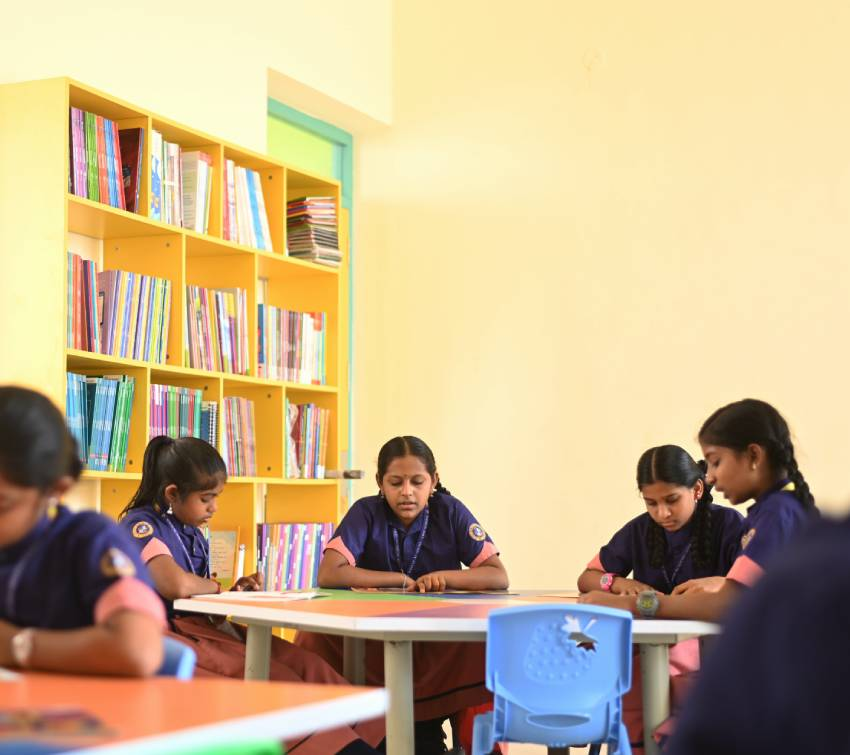
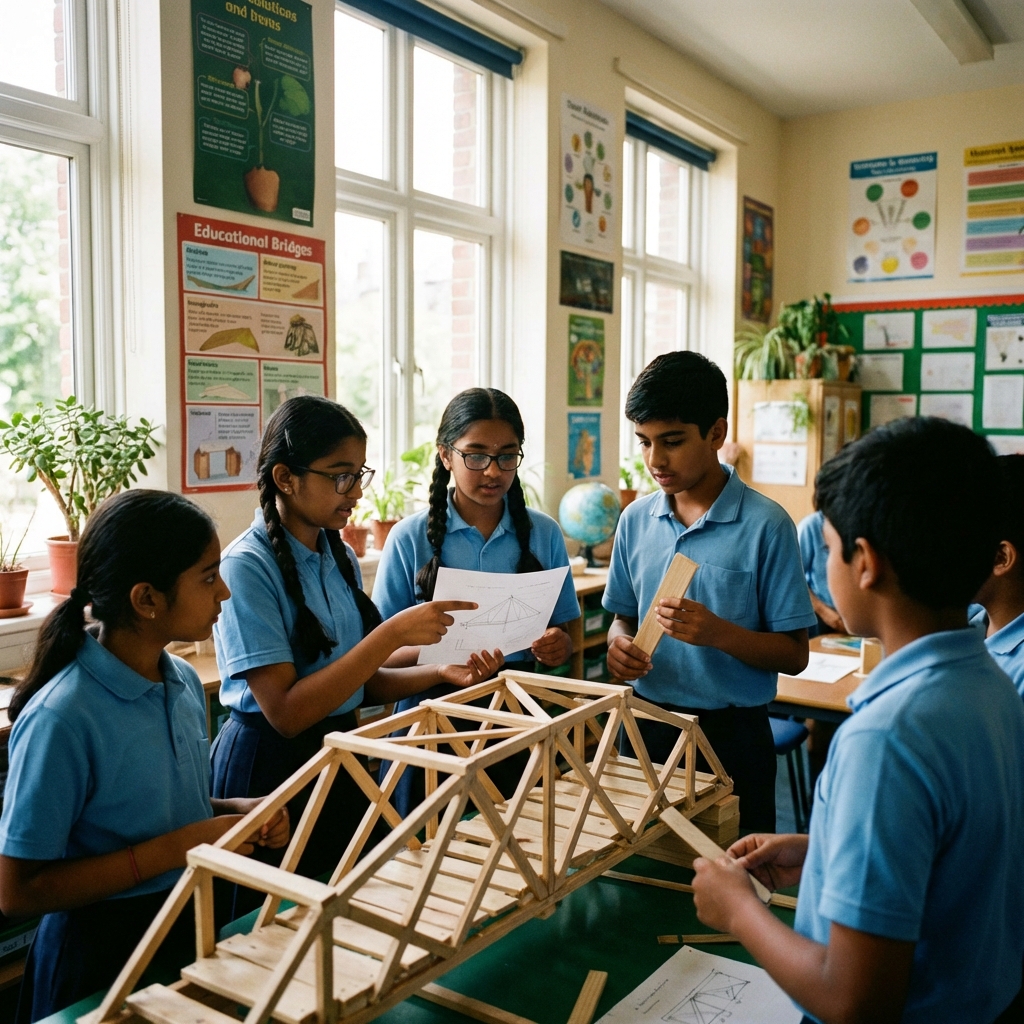
Learning becomes more interesting when children get opportunities to explore ideas rather than simply read about them. Think about a Science lesson on plants. Students can memorise the parts of a plant from a textbook, but observing a plant, growing seeds and recording their progress can help them understand the topic more clearly.
This is one example of project-based learning, an approach that connects classroom lessons with practical activities.
Parents exploring the Best CBSE Schools in Ranipet may also want to understand how different teaching approaches help children learn beyond textbooks. Project-based learning is one method that encourages students to explore topics, ask questions and apply what they have learned.
What Exactly Is Project-Based Learning?
Project-based learning is a teaching approach in which students explore a topic or question by working on a project over a period of time.
The project usually involves research, planning, practical activities and presenting what they have discovered.
🌱 Practical Example: Waste Management Investigation
For example, while learning about environmental pollution, students might investigate waste management in their surroundings. They could identify different types of waste, study their effects and suggest ways to reduce them.
Through this activity, students learn about the topic while also practising observation, research and problem-solving.
The main idea is to help children understand concepts by using them in practical situations.
How Does Learning Through Projects Improve Understanding?
When students actively participate in a lesson, they get opportunities to connect new information with what they already know. Here are some ways this approach supports learning:
1. Makes Classroom Concepts Easier to Understand
Some subjects can be difficult to understand when they are explained only through written lessons.
Practical projects give students an opportunity to see how these concepts work.
Real-world Application: For example, students learning about measurements in Mathematics could plan a small garden and calculate its length, width and area. This helps them understand how mathematical concepts are used in everyday situations.
2. Encourages Students to Ask Questions
A project often begins with a question or a problem that students need to explore.
As they work on it, they may come across new information, unexpected results or different ways of approaching the task.
This encourages them to ask questions, look for explanations and understand a topic beyond what is covered in a textbook. Developing curiosity also makes students more willing to participate in classroom discussions.
3. Develops Critical Thinking and Problem-Solving Skills
Projects do not always have one fixed method or solution. Students may need to compare information, identify challenges and decide how to complete their work.
For instance, when preparing a model of a water filtration system, students may need to understand the materials required, arrange them correctly and observe how the process works.
These experiences encourage children to think carefully, test their ideas and learn from mistakes.

4. Improves Teamwork and Communication
Many classroom projects involve working in small groups.
Students may share responsibilities, discuss ideas, collect information and prepare presentations together.
During this process, they learn to listen to different opinions, explain their thoughts and work towards a common goal. These experiences can help improve communication, cooperation and confidence.
5. Helps Students Remember What They Learn
Reading and listening are important parts of education, but practical involvement gives students another way to understand information.
When children research a topic, create something and explain their findings, they engage with the subject in multiple ways.
This can help them connect different pieces of information and recall what they have learned more effectively.
What Is the Role of Teachers in Project-Based Learning?
Teachers play an important role in guiding students throughout a project.
Their responsibility is not simply to assign an activity and expect students to complete it independently. They help students understand the topic, identify useful resources and organise their work.
Teachers can support the process by:
When comparing the Best CBSE Schools in Ranipet, parents can also look at how teachers encourage students to participate in discussions, practical activities and classroom projects.
How Can Parents Encourage Project-Based Learning at Home?
Parents do not need special equipment or complicated activities to encourage practical learning. Everyday experiences can become useful learning opportunities.
Here are a few simple ideas:
These activities allow children to practise what they learn while spending meaningful time with their families.
Frequently Asked Questions
1. Is project-based learning suitable for primary school students?
Yes. Simple activities such as growing plants, building models and creating picture charts can introduce younger students to practical learning. Projects can become more detailed as children progress through school.
2. Does project-based learning replace classroom teaching?
No. It complements regular classroom instruction. Teachers still explain concepts and provide guidance, while projects give students opportunities to apply their knowledge.
3. How are students assessed during project-based learning?
Assessment may consider the student's understanding of the topic, research, participation, practical work and final presentation. The exact method depends on the project and the teacher's learning objectives.
4. Can project-based learning help students who find certain subjects difficult?
It can provide another way to approach difficult concepts. Practical activities, visual examples and group discussions may help some students understand topics more comfortably.
5. What is the difference between project-based learning and traditional learning?
Traditional lessons often focus on explanations, textbooks and exercises. Project-based learning adds an extended activity where students investigate a question and apply their knowledge to complete a project. Both approaches can work together.
Making Learning More Meaningful
Education becomes more engaging when students understand how classroom knowledge connects with the world around them. Project-based learning provides opportunities to explore subjects, work with others and approach challenges through practical experiences.
When parents evaluate the Best CBSE Schools in Ranipet, understanding the school's approach to practical learning can also be useful. Opportunities to explore ideas, work on projects and solve problems help children connect classroom knowledge with everyday experiences.
The value of a project is not just in the final model or presentation. It is also in the thinking, effort and learning that take place along the way.
Discover Practical Learning at The Krisar Academy
At The Krisar Academy, our curriculum brings textbooks to life through hands-on projects, modern labs, and interactive inquiry that prepare students for future academic success.
When comparing the Best CBSE Schools in Ranipet, experience our child-centric environment and visit our campus today.