A child's education is not limited to lessons, homework and examinations.
School is also where children learn to communicate, work with others, explore their interests and become more independent.
While academic performance is important, parents also want their children to develop skills that are useful in everyday life. This is why it is worth understanding how a school's learning approach contributes to a child's overall growth.
1. Learning to Understand, Not Just Memorise
Children understand lessons better when they can connect what they learn in class with real-life situations.
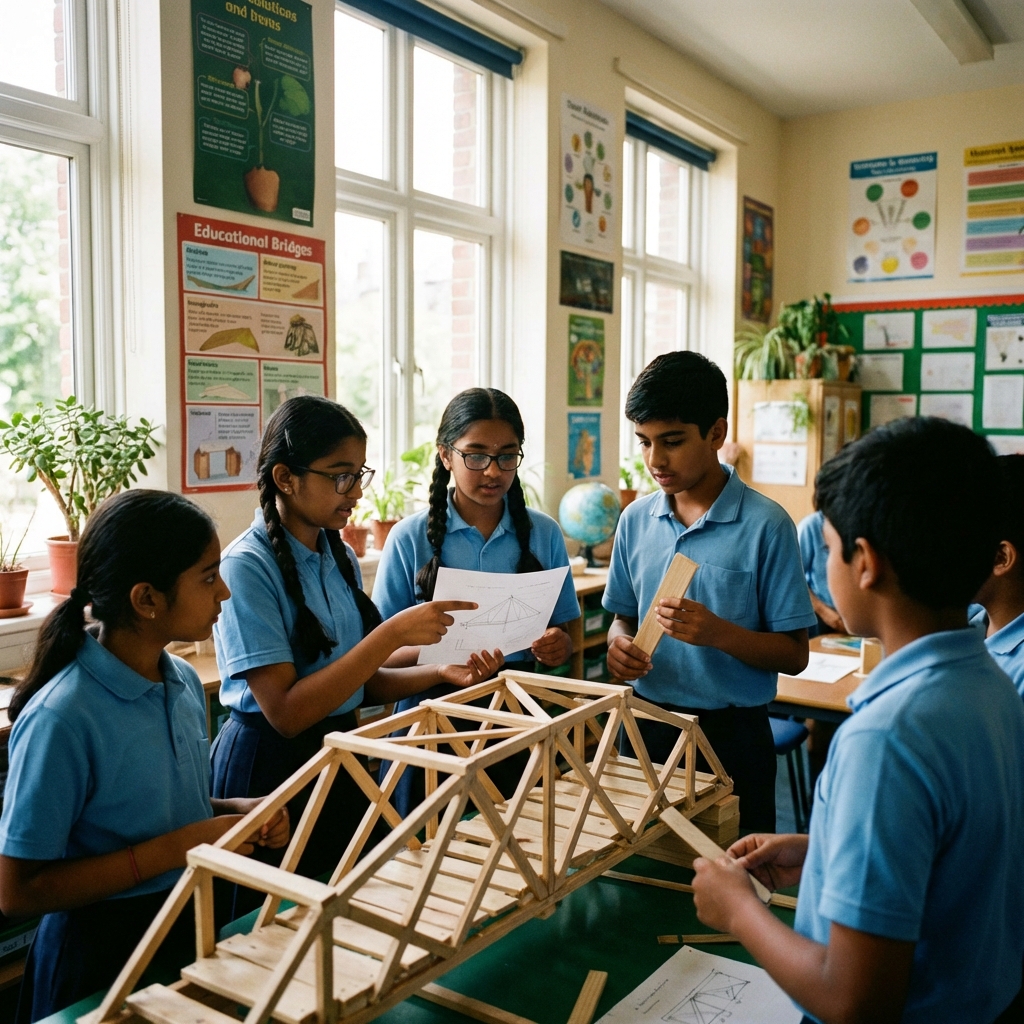
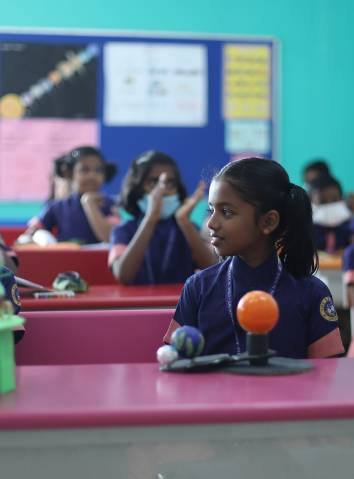
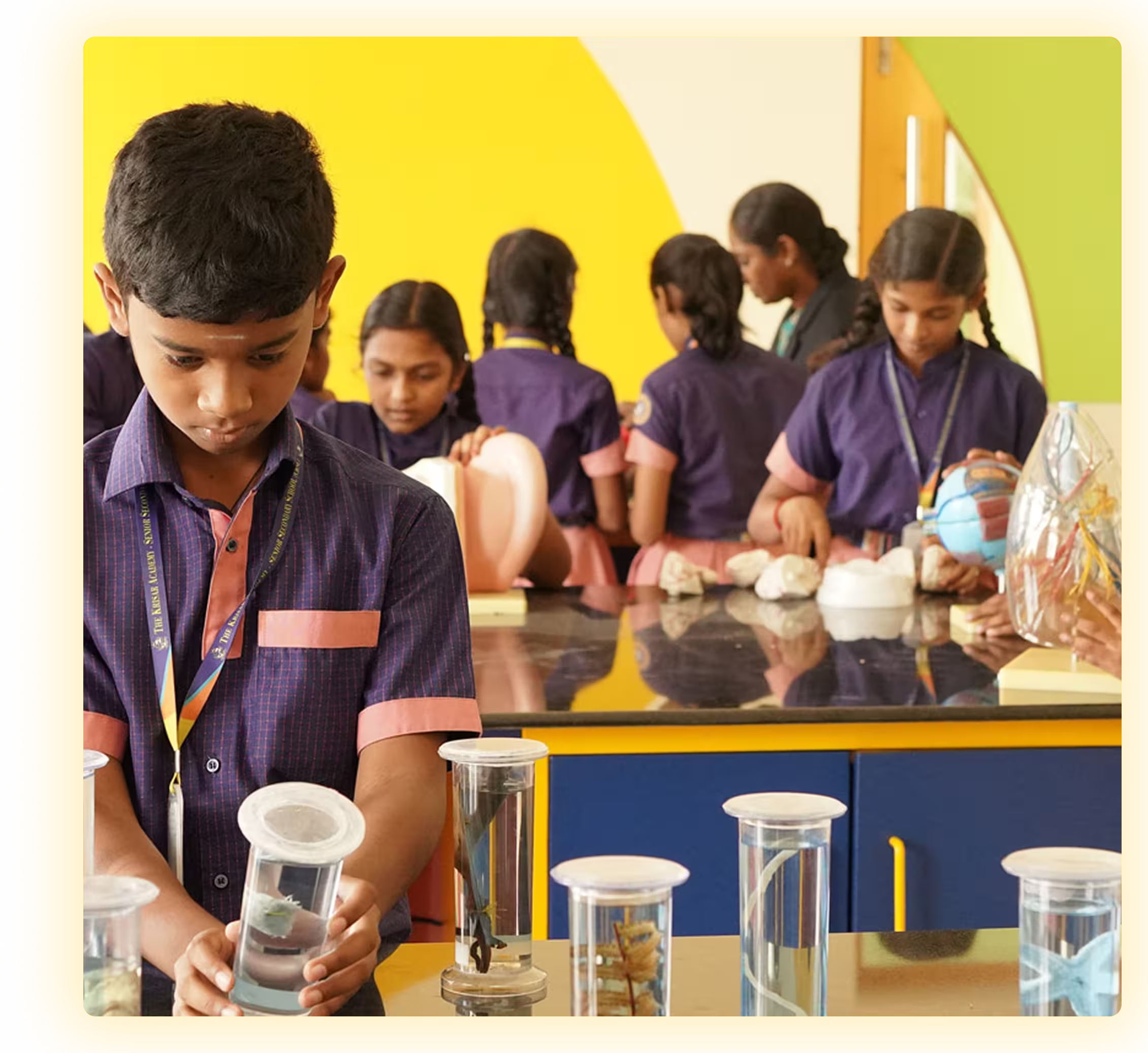
Activity-based learning, classroom discussions and practical examples can make different subjects easier to understand. These methods also encourage children to ask questions and think about what they are learning.
A good CBSE learning approach should give students opportunities to understand concepts rather than simply memorise answers. Discover our academic framework designed for deep comprehension.
2. Building Communication Skills
Being able to express thoughts clearly is an important skill for children.
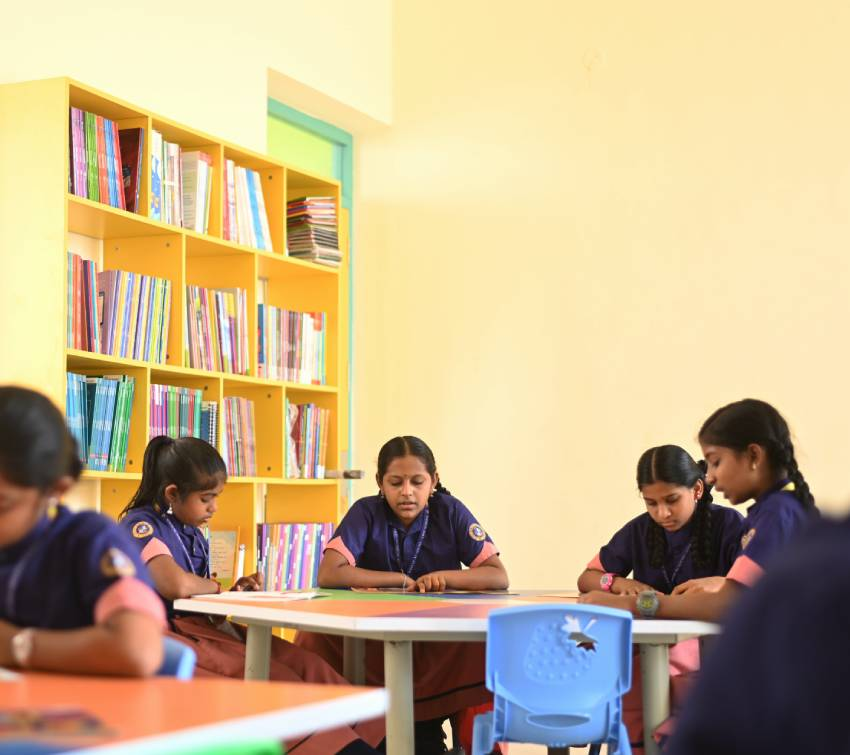
Classroom discussions, group activities, presentations and storytelling give students opportunities to speak and share their ideas. These experiences can gradually improve their confidence when communicating with others.
Parents looking for a CBSE school with extracurricular activities can also check whether students get opportunities to participate in speeches, debates and other communication-based activities.
3. Encouraging Creativity and Independent Thinking
Every child has different interests and ways of understanding things. Creative activities allow students to explore ideas and express themselves.
Drawing, craft, music, writing and project-based activities can encourage imagination and problem-solving.
When children are given opportunities to try different activities, they may discover interests and abilities they did not know they had.
4. Understanding the Importance of Sports
Sports are an important part of a child's school experience. Playing games teaches children to follow rules, work as a team and handle both success and failure.
Physical activities also encourage children to stay active and develop discipline.
Parents exploring a CBSE school with sports facilities should check the activities available to students and how regularly they get opportunities to participate.
5. Developing Teamwork and Social Skills
School gives children the chance to interact with classmates from different backgrounds and with different interests.
Group projects, team games and classroom activities help students understand cooperation, sharing and respecting other people's ideas.
These experiences can help children become more comfortable working with others.
6. Making Technology Part of Learning
Technology is becoming an important part of education. When used appropriately, digital learning resources can make lessons more interactive and help students understand complex topics.
Activities involving computers, basic coding and robotics can introduce children to new concepts and encourage logical thinking.
Parents can ask how schools use technology in classrooms and whether students receive opportunities for practical learning in modern labs and smart classrooms.
7. Creating a Supportive Learning Environment
Children learn best when they feel comfortable asking questions, making mistakes and trying again.
Teachers play an important role in creating an environment where students feel encouraged to participate. Regular feedback and guidance can also help children understand their strengths and areas where they need support.
A supportive CBSE school environment should give importance to both academic progress and the individual needs of students.
Frequently Asked Questions
Why is overall development important in school education?
Overall development helps children build academic knowledge along with communication, creativity, teamwork and problem-solving skills.
What activities help children develop confidence?
Public speaking, group discussions, sports, cultural programmes and classroom presentations can give children opportunities to express themselves and interact with others.
How do extracurricular activities benefit students?
They allow children to explore different interests, learn new skills, work with others and develop confidence outside regular classroom lessons.
What should parents look for beyond academic results?
Parents can also consider teaching methods, sports opportunities, creative activities, student support and the overall learning environment.
Final Thoughts
A child's school experience should offer opportunities to learn, explore and discover new interests. Academic knowledge provides an important foundation, while activities beyond textbooks help children develop skills they can use throughout life.
If you are exploring a Best CBSE School in Arani, take time to understand its academic approach, extracurricular opportunities and learning environment. The right balance of academics and other activities can make a meaningful difference in a child's educational journey.