Choosing a school involves more than checking its location, facilities or academic results. Parents should also understand what their children will learn and how their education will progress over the years.
The Central Board of Secondary Education (CBSE) follows a structured curriculum designed to develop academic understanding, practical knowledge and essential life skills. The learning approach changes as students move from primary classes to secondary and senior secondary levels.
Understanding these stages can help parents make better decisions about their child's education.
1. Primary Stage: Building Strong Learning Foundations
The primary stage introduces children to fundamental concepts and helps them become comfortable with formal learning.
Students generally study subjects such as:
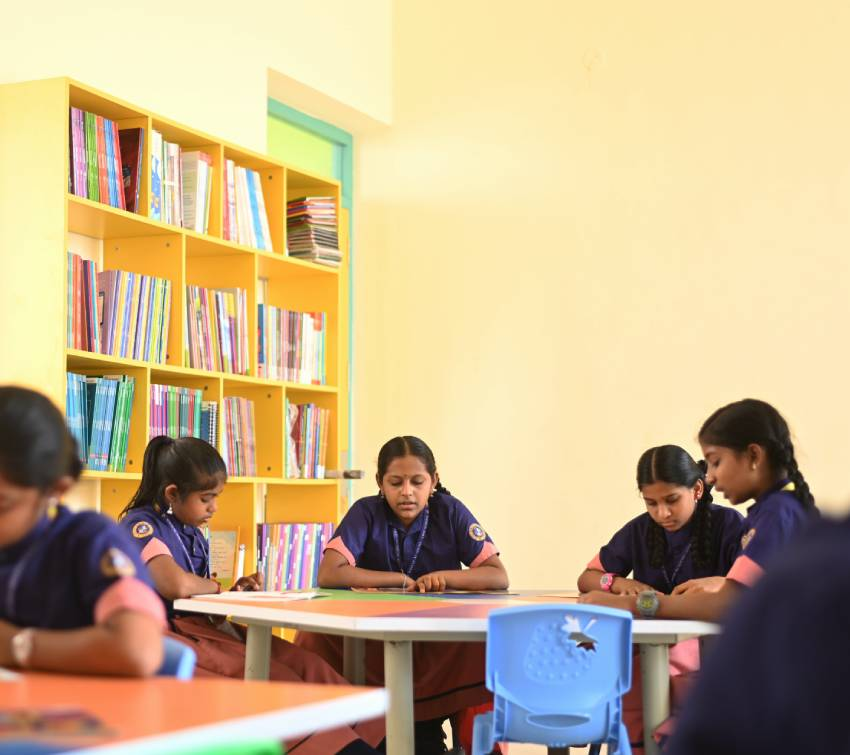
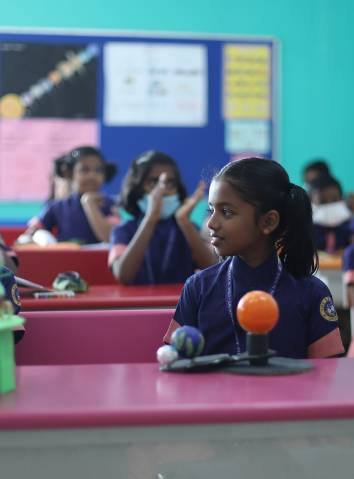
At this stage, learning often involves storytelling, classroom activities, simple experiments, reading and interactive exercises.
The focus is on developing language skills, number sense, curiosity and the confidence to participate in class.
2. Middle Stage: Understanding Concepts in Greater Depth
As children progress into middle school, subjects become more detailed and structured.
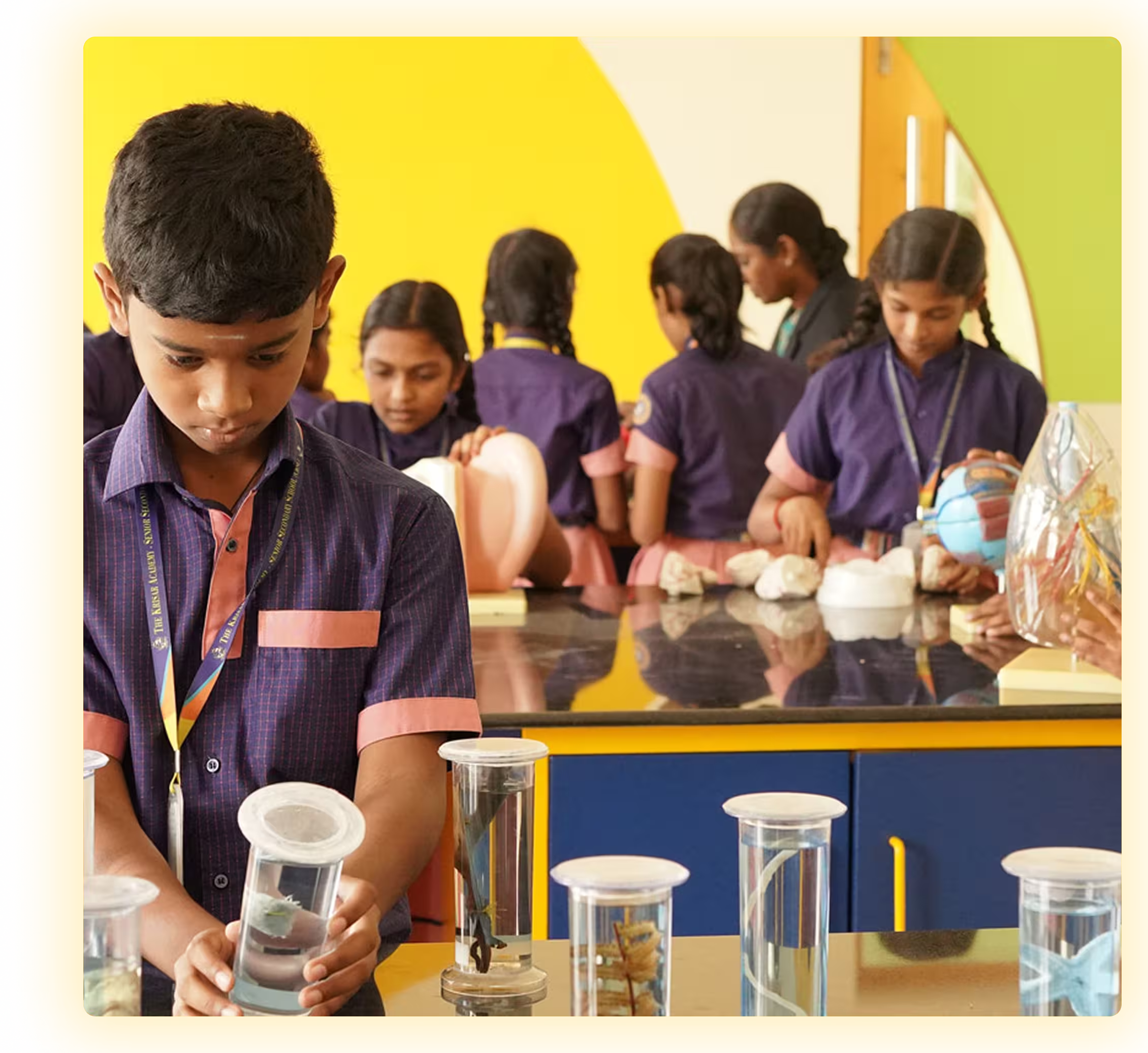
Science and Social Science develop into broader areas of study. Students begin exploring concepts in Physics, Chemistry, Biology, History, Geography and Civics through age-appropriate lessons.
Mathematics also introduces more advanced topics such as algebra, geometry and data handling.
At this stage, students benefit from activities that encourage them to ask questions, analyse information and understand how classroom concepts connect with everyday life.

3. Secondary Stage: Preparing for Academic Challenges
Classes 9 and 10 are important stages in a student's academic journey.
Students study subjects in greater depth and gradually become familiar with the CBSE board examination pattern.
The curriculum generally includes:
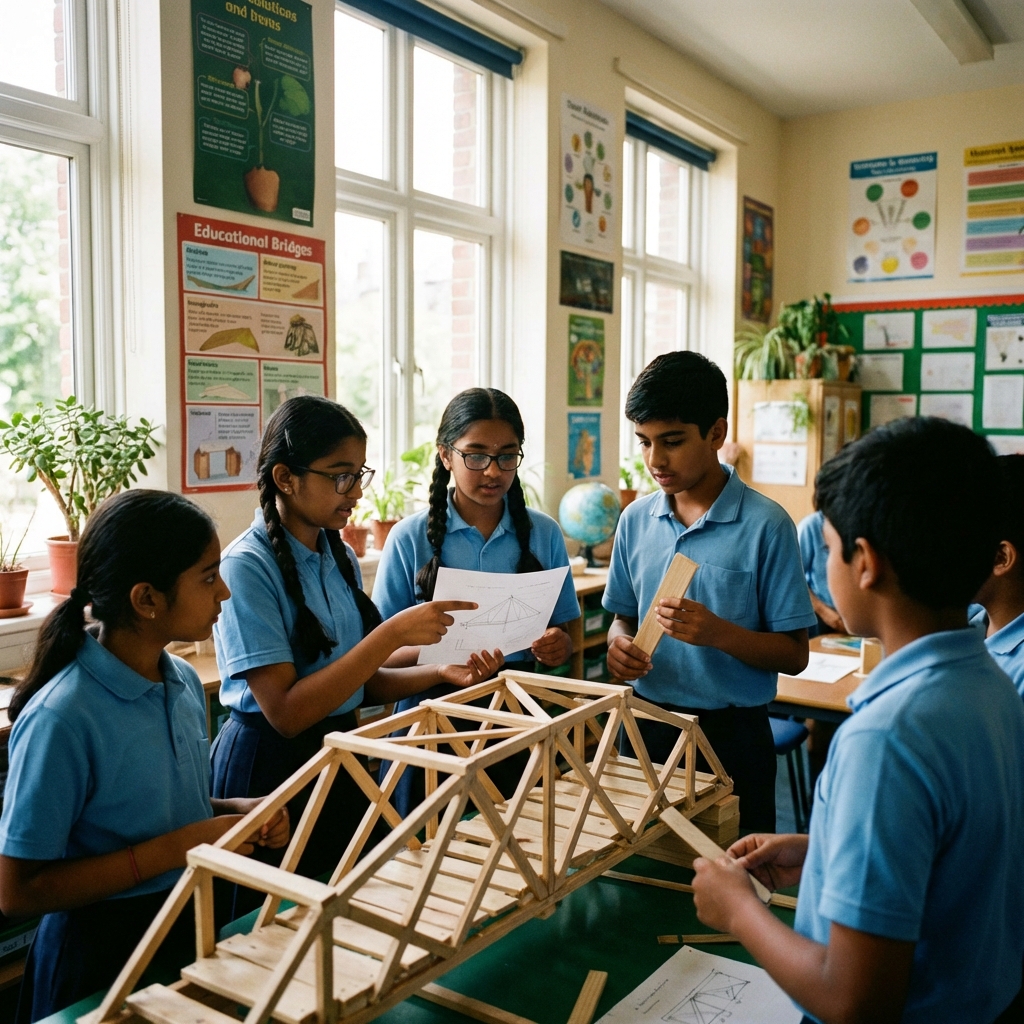
Regular revision, practical activities, assignments and periodic assessments help students understand their progress.
Parents can support children by encouraging consistent study habits rather than relying only on last-minute examination preparation.
4. Senior Secondary Stage: Choosing a Direction
In Classes 11 and 12, students move towards more specialised learning.
Depending on the subjects offered by their school, students may choose combinations from areas such as:
Science
Physics, Chemistry, Maths & Biology
Commerce
Accountancy, Business & Economics
Humanities
History, Political Science & Sociology
The subjects studied during these years can influence future higher education choices. For example, students interested in engineering may consider Physics, Chemistry and Mathematics, while those planning medical studies generally require Physics, Chemistry and Biology.
Parents should discuss their child's interests, strengths and future goals before selecting subjects.
5. How CBSE Assessment Works
Assessment is not limited to final examinations. Students are evaluated through different methods during the academic year.
These may include:
The purpose is to understand a student's progress across different areas of learning.
Parents should review assessment feedback regularly and identify subjects or concepts where their child may need additional support.
6. Why Learning Beyond Textbooks Matters
Academic subjects provide important knowledge, but children also need opportunities to develop other skills.
Activities such as sports, arts, group projects, presentations and reading can support:
A balanced school experience gives children opportunities to explore their interests while continuing their academic learning. Explore how our beyond academics programmes foster this balanced growth.
What Should Parents Check When Choosing a CBSE School?
Parents comparing the Best CBSE Schools in Arcot should look beyond examination results and consider how the school supports learning at different stages.
Some useful questions to ask include:
Visiting the campus and speaking with teachers can help parents understand the school's approach more clearly.
Frequently Asked Questions
1. Is the CBSE curriculum the same across all schools?
CBSE-affiliated schools follow the board's prescribed curriculum and academic guidelines. However, teaching methods, activities and additional learning opportunities may differ between schools.
2. At what class do students choose their stream in CBSE?
Students generally choose their subject combinations when entering Class 11, based on the subjects offered by their school.
3. Does CBSE focus only on academic subjects?
No. The curriculum also includes areas such as physical education, arts, skill education and other activities, depending on the applicable guidelines and school provisions.
4. How can parents support CBSE students at home?
Parents can encourage regular reading, consistent study routines, independent learning and open discussions about what children learn at school.
Final Thoughts
Understanding the CBSE curriculum helps parents see how their child's learning develops from basic concepts to specialised subjects. Each stage builds on the previous one, gradually preparing students for higher education and future responsibilities.
When comparing the Best CBSE Schools in Arcot, parents should consider the quality of teaching, learning opportunities, academic support and the overall development of students, not just examination results.